
Stuck in Auto Mode? Here’s What I’m Building to Help
Someone hands me their camera almost every time I’m out shooting. It happens at a workshop, on the trail, standing next to a lighthouse at golden hour. They’ve just switched off Auto for the first time…
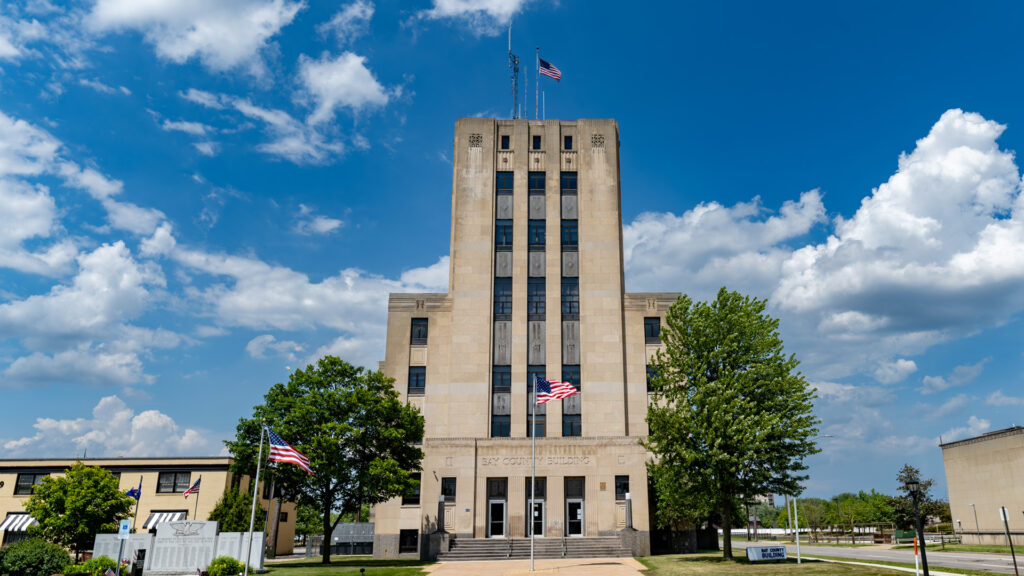
Vertical Architecture Photography: Stronger Compositions
Architecture is naturally vertical. Courthouses, city halls, lighthouses, and historic buildings are designed to rise upward, yet many photographers default to horizontal framing out of habit. While horizontal compositions work well in many situations, vertical architecture…
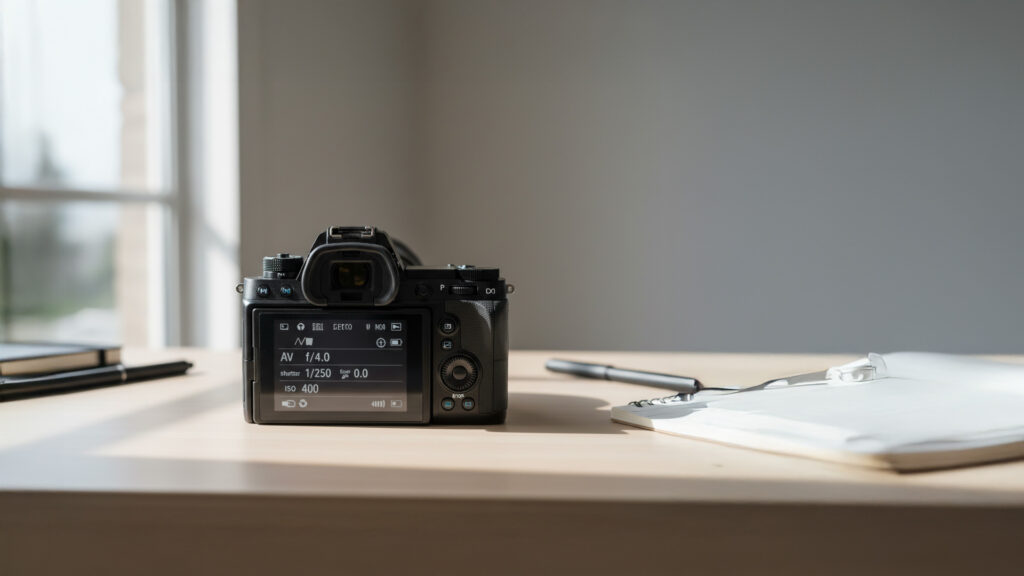
Camera Settings Cheat Sheet for Common Shooting Scenarios
One of the most common questions beginners ask is simple and frustrating: “What camera settings should I use for this?” That question usually comes when the light is changing, people are moving, and there is no…
Adobe Stock Royalty Rates Explained (2026 Update)
If you are contributing to Adobe Stock or considering it, royalty rates are one of the first things you want to understand. How much you earn per download affects how you shoot, what you upload, and…
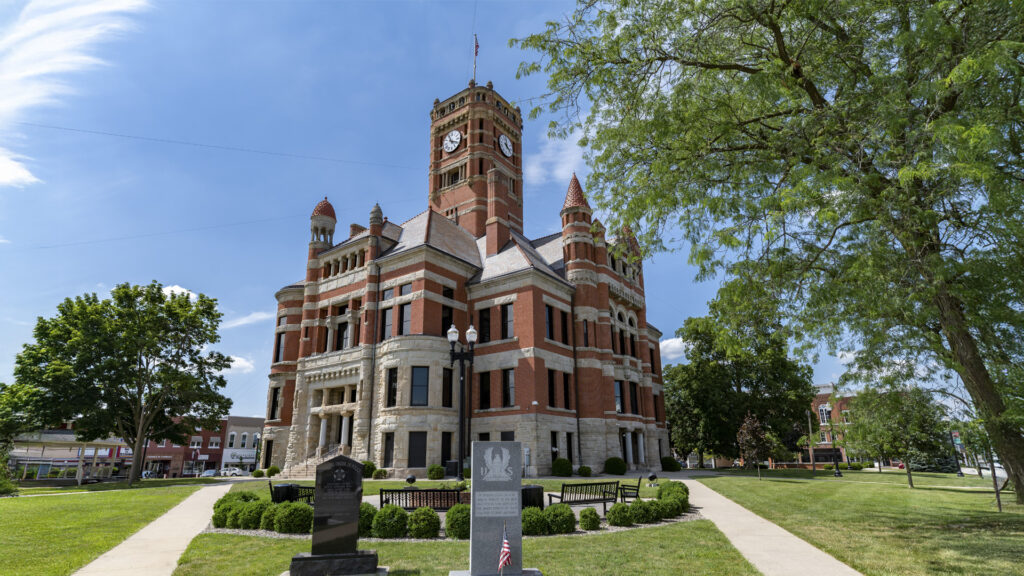
Why Vertical Photos Outsell Horizontal Ones in Stock Photography
Vertical stock photography often performs better than horizontal images because it fits modern layouts with less friction. Most photographers shoot horizontally by default. Cameras are designed that way, tripods encourage it, and traditional photography education reinforces…
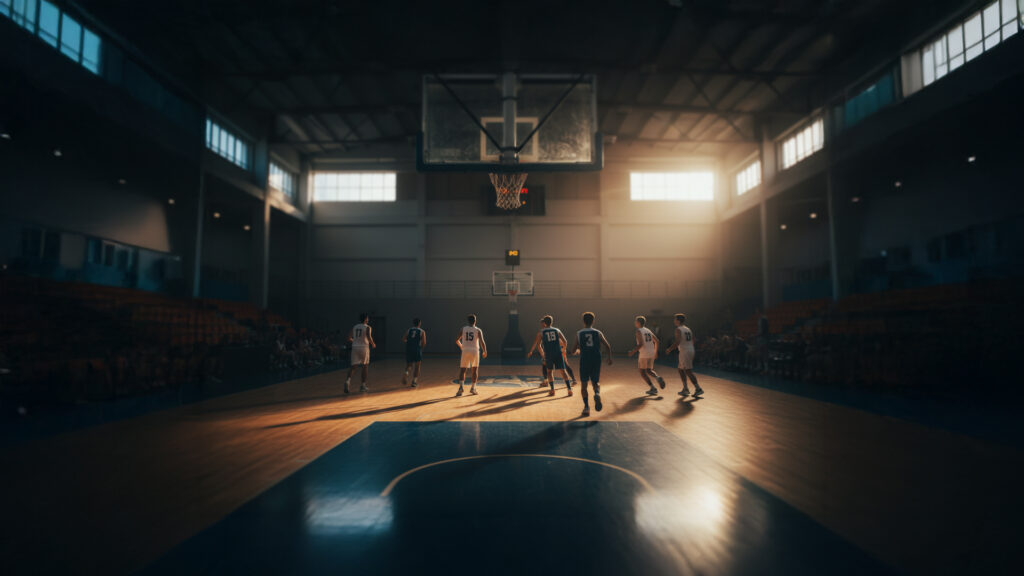
Indoor Sports Photography Settings That Actually Work
Indoor sports photography is one of the most frustrating challenges photographers face. Gyms, rinks, and indoor courts combine fast action with poor light, mixed color temperatures, and backgrounds that constantly change. Unlike outdoor sports, you cannot…