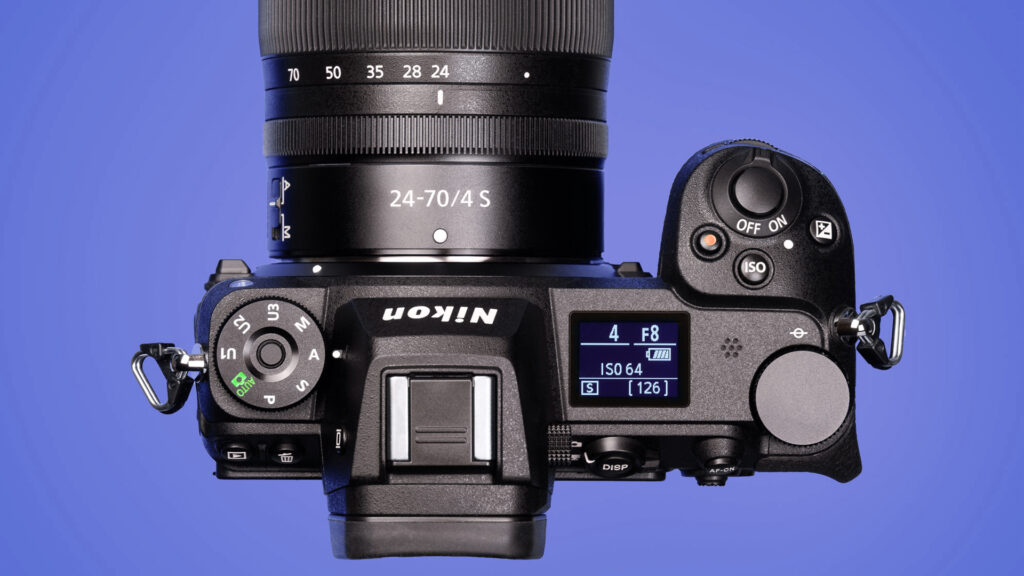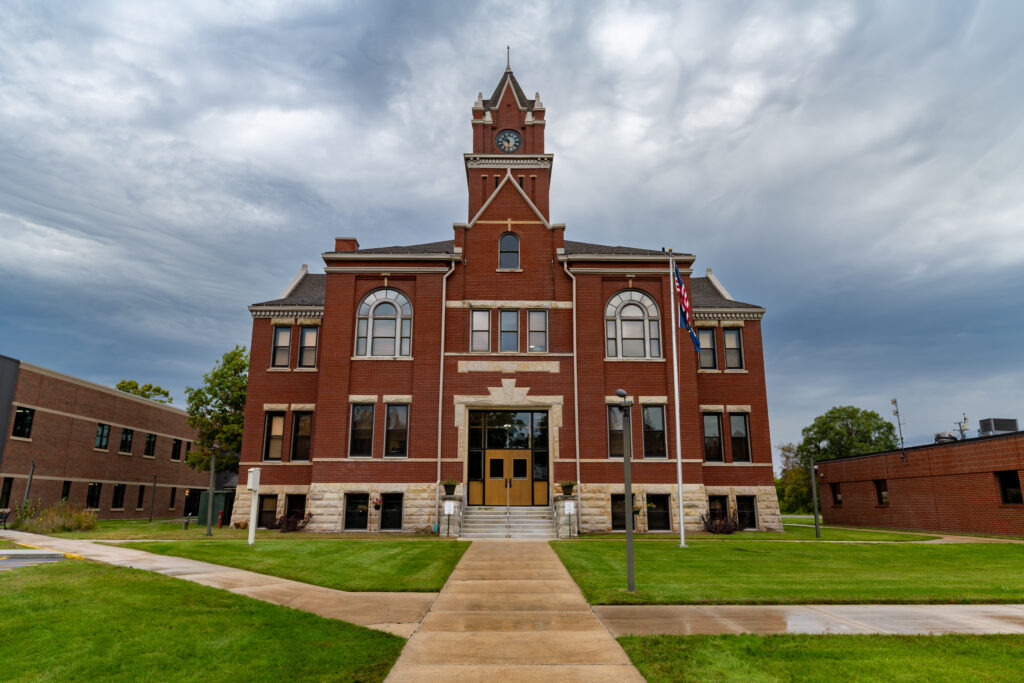
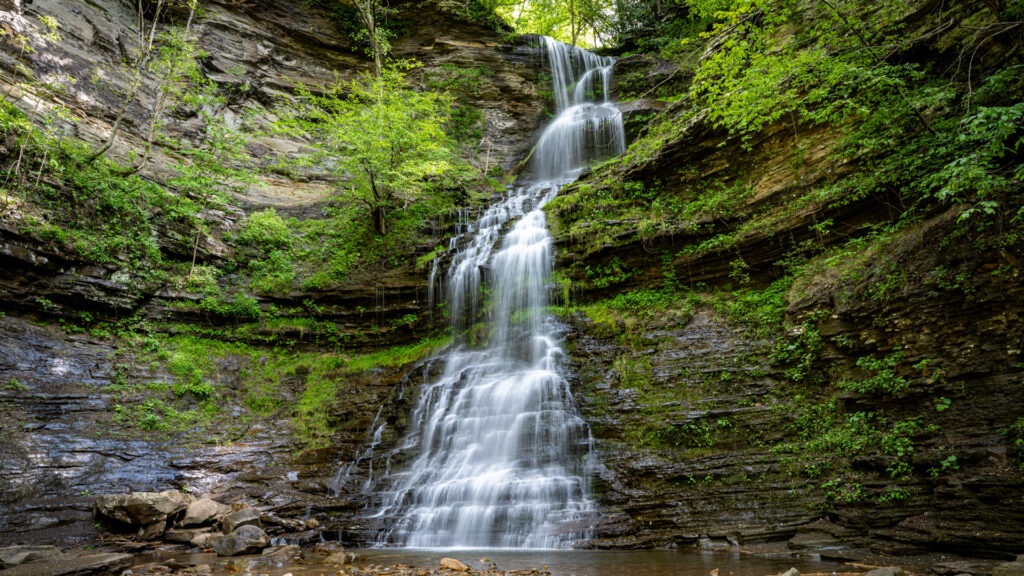
If you’ve been following along in this series, you’ve already explored how aperture shapes depth of field and controls how much light enters the lens. Now it’s time to move to the second element of the exposure triangle – shutter speed.
Understanding shutter speed explained simply: it’s the amount of time your camera’s shutter stays open, allowing light to hit the sensor. The longer it stays open, the more light reaches the sensor—resulting in brighter images. The shorter it stays open, the less light gets in—creating darker images.
Just like aperture, shutter speed has a creative impact beyond exposure. It’s one of the biggest factors in controlling how motion appears in your photos.
What Is Shutter Speed?
Shutter speed is measured in fractions of a second, like 1/1000, 1/250, or 1/60 of a second. A fast shutter speed such as 1/1000 freezes action, while a slow shutter speed such as 1/4 second introduces motion blur.
Cameras also allow long exposures—shutter speeds of several seconds or even minutes. These are great for night photography, light trails, and smooth water effects.
How Shutter Speed Affects Exposure
Shutter speed directly controls how long your sensor collects light.
- Fast shutter speeds (1/500 or faster) reduce light and darken the image.
- Slow shutter speeds (1/30 or slower) increase light and brighten the image.
This is why photographers constantly balance shutter speed with aperture and ISO—the other two sides of the exposure triangle. If you slow your shutter down, you may need to narrow your aperture or lower your ISO to maintain proper exposure.
For a refresher, revisit Aperture and Depth of Field: Understanding How They Shape Your Photos.
Freezing vs. Blurring Motion
The most noticeable creative effect of shutter speed is how it captures or emphasizes motion.
- Fast Shutter Speeds (1/1000 – 1/2000): Perfect for freezing action—think sports, wildlife, or flying birds.
- Moderate Shutter Speeds (1/60 – 1/250): Good for general handheld photography and portraits.
- Slow Shutter Speeds (1/2 – several seconds): Excellent for creative blur—waterfalls, rivers, car light trails, or night skies.
Experimenting with these speeds will help you see how dramatically different your results can be.
Shutter Speed and Camera Shake
Even a steady hand can introduce blur when the shutter is open for too long. As a general rule, your shutter speed should be at least the reciprocal of your focal length. For example:
- Shooting with a 50mm lens? Use at least 1/50 second.
- Using a 200mm telephoto? Aim for 1/200 second or faster.
If you need slower speeds, a tripod or image stabilization becomes essential. When you purchase a tripod, I would suggest a taller one. I find sometimes I need to place the legs into the water and can be a little deep.
Creative Uses of Shutter Speed
Mastering shutter speed opens up a world of creative options:
- Long Exposure Landscapes: Smooth out waterfalls, lakes, and clouds.
- Panning Shots: Follow a moving subject at slower speeds (1/30 or 1/60) for motion blur behind a sharp subject.
- Light Painting: Use multi-second exposures at night and move a light source to create glowing patterns.
- Night Photography: Capture city lights and stars by leaving the shutter open for extended periods.
Each of these techniques gives your photos a unique sense of mood and energy.
Balancing Shutter Speed with Aperture and ISO
Shutter speed doesn’t work alone. It’s part of the exposure triangle, along with aperture and ISO.
- Need more light? Slow your shutter.
- Need to freeze motion? Speed it up, and adjust aperture or ISO to compensate.
Together, these three elements form the foundation of every exposure decision you make.
If you missed it, check out Aperture and Depth of Field: Understanding How They Shape Your Photos.
Up next, we’ll explore the final piece of the puzzle—ISO, which determines your camera’s sensitivity to light.
Quick Reference Chart
| Shutter Speed | Typical Use | Effect |
|---|---|---|
| 1/4000 – 1/1000 | Sports, wildlife | Freezes motion completely |
| 1/500 – 1/125 | Everyday handheld shots | Sharp, minimal blur |
| 1/60 – 1/15 | Low light, intentional blur | Some motion blur visible |
| 1/8 – 1 sec | Waterfalls, panning | Creative motion blur |
| 1 sec – 30 sec+ | Night, light trails, astrophotography | Long exposure effects |
Conclusion
Shutter speed is more than just a technical setting—it’s a creative tool that helps you express movement, energy, and mood. Once you understand how it interacts with aperture and ISO, you’ll have complete control over how your images look and feel.
Next, we’ll complete the exposure triangle by diving into ISO Settings: Balancing Light and Image Quality.
For more detail on how shutter speed works, visit Nikon’s official shutter speed guide.