Photographing public buildings is one of the most reliable ways to create commercial-ready images that can sell for years. Courthouses, city halls, libraries, and other civic structures are visually strong, widely useful, and usually accessible. Yet many photographers hesitate because they are unsure what is allowed, what requires releases, or why similar images get rejected by stock agencies.
This post explains how to photograph public buildings specifically for commercial use, not editorial. You will learn what makes a building commercially safe in the United States, what details commonly cause rejections, and how to shoot in a way that buyers actually want. The goal is clarity. By the end, you should feel confident knowing when a public building can be sold commercially and how to photograph it correctly the first time.
Photographing public spaces often involves variables you cannot manage, which is a challenge I cover in more detail in photographing places you cannot control.
What “Commercial Use” Actually Means for Public Buildings
Commercial use means the image can be licensed to promote, advertise, or illustrate a concept without referencing a specific news event. In stock photography, this is different from editorial, which is limited to factual or news-related contexts.
In the United States, most public buildings are legally safe to photograph from public property. Federal, state, and local government buildings generally do not require a property release when photographed externally from a public space. This includes courthouses, post offices, city halls, and municipal buildings.
What matters is not who owns the building, but what appears in the frame.
Commercial rejections almost always happen because of visible issues inside the image, not because the building itself is public.
Key principle:
- Public building + public vantage point + clean frame = commercially viable image
Common Rejection Traps That Kill Commercial Eligibility
This is where most photographers run into trouble. The building may be perfectly fine, but small details disqualify the image.
Logos, seals, and emblems
Government seals, official insignia, and large emblems are often treated like logos by stock agencies. A courthouse seal carved above an entrance or a large municipal emblem can trigger a rejection.
How to handle this:
- Change angle so the seal is not readable
- Shoot wider so it becomes an unrecognizable detail
- Wait for softer light and distance to reduce clarity
Flags
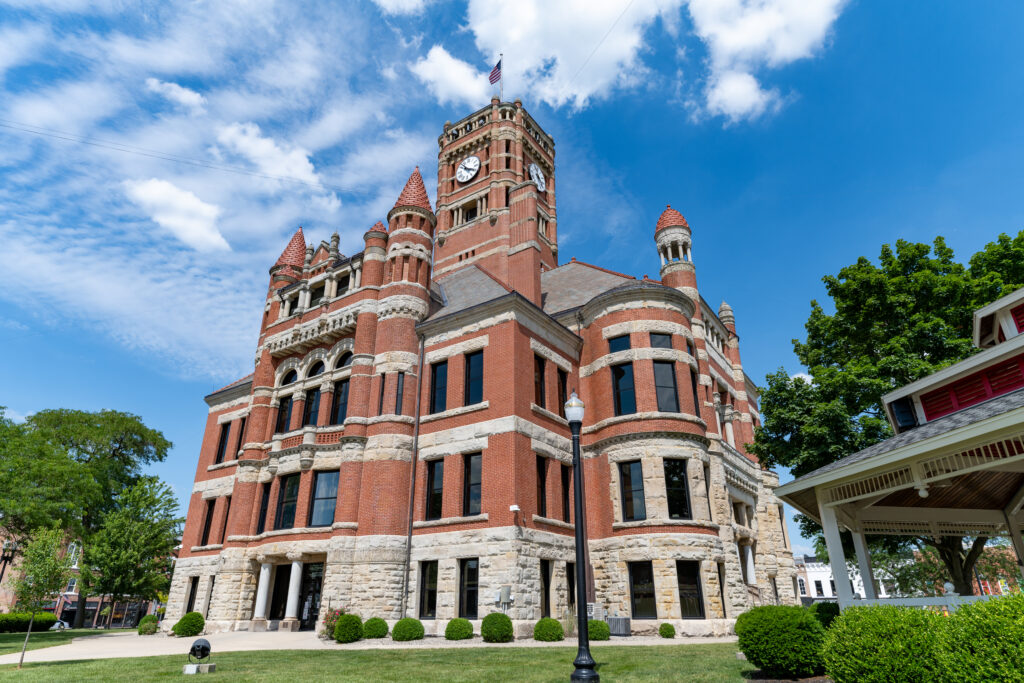
Flags are one of the most common problems. A large U.S. flag in perfect focus can cause a commercial rejection because it is a recognizable national symbol.
Options:
- Shoot when the flag is not visible
- Frame the building so the flag is partially obscured
- Capture the flag blurred by motion or distance
Signage and readable text
Anything readable that identifies a specific government entity can be flagged. This includes carved building names, plaques, and modern signage.
This does not mean you must avoid the front of the building entirely. It means you must be deliberate with distance, focal length, and angle.
People in windows or doorways
Even tiny figures visible through glass can disqualify an image. Reflections can hide them, but clear silhouettes often cause issues.
Tip:
- Scan windows carefully at 100 percent before uploading
- Shoot early mornings, weekends, or holidays when buildings are empty
How to Shoot Public Buildings So Buyers Actually Want Them
Avoid thinking like a tourist. Think like a designer or buyer. Understanding how buyers use images is critical, which is why I previously broke down why some photos sell and better ones do not.
Stock buyers want flexibility, not drama.
Prioritize clean compositions
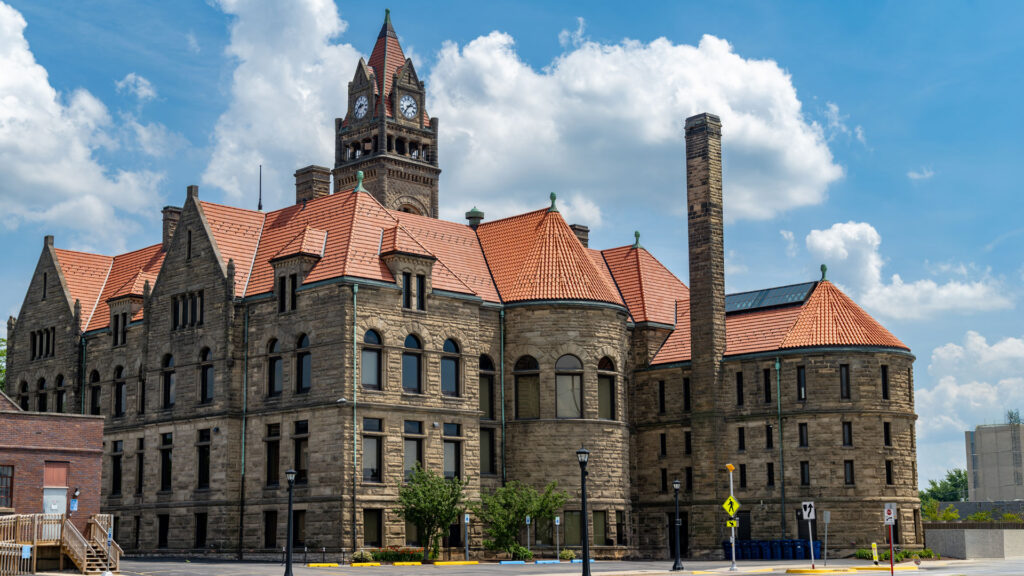
Buyers need space for text, layouts, and crops. A dramatic sky with no breathing room often performs worse than a simple, balanced frame.
Aim for:
- Straight verticals
- Centered or symmetrical compositions
- Clean foregrounds without clutter
Shoot wide and tight versions
A wide establishing shot gives context. A tighter crop gives usability. Both can sell, and often the tighter version sells more frequently.
This is especially true for courthouses and civic buildings used in:
- Legal concepts
- Government topics
- Local news graphics
- Educational materials
Overcast light is your friend
Soft light reduces contrast, glare, and harsh shadows. It also helps minimize distractions like seals and text by lowering micro-contrast.
Overcast conditions:
- Preserve stone and brick texture
- Keep skies neutral
- Make images easier to integrate into designs
Editorial vs Commercial: When to Choose Each
You should not default to editorial just because the subject is a courthouse.
Choose commercial when:
- No people are visible
- No logos, seals, or readable text dominate the frame
- The image represents a general concept, not a specific event
Choose editorial when:
- The building name is prominent and unavoidable
- Flags or official insignia are central to the image
- The image documents a specific location intentionally
Editorial images have value, but they sell differently and often less frequently. For long-term passive income, commercial images usually outperform.
On platforms like Adobe Stock, commercial eligibility significantly expands how buyers can use your image.
Practical Shooting Checklist Before You Press the Shutter
Use this checklist in the field.
- Am I standing on public property?
- Are there any readable signs or seals in the frame?
- Are flags visible and identifiable?
- Are windows empty or reflective?
- Is the composition flexible for cropping?
- Are vertical lines straight or easily correctable?
If you can answer yes to safety and no to risks, you are in good shape.
Post-Processing for Commercial Safety
Editing is not about drama. It is about accuracy and restraint.
Best practices:
- Correct perspective carefully
- Keep colors neutral and realistic
- Avoid heavy contrast or HDR looks
- Do not clone out logos aggressively if it looks unnatural
Stock agencies look closely at authenticity. Over-editing raises flags even when the subject itself is acceptable.
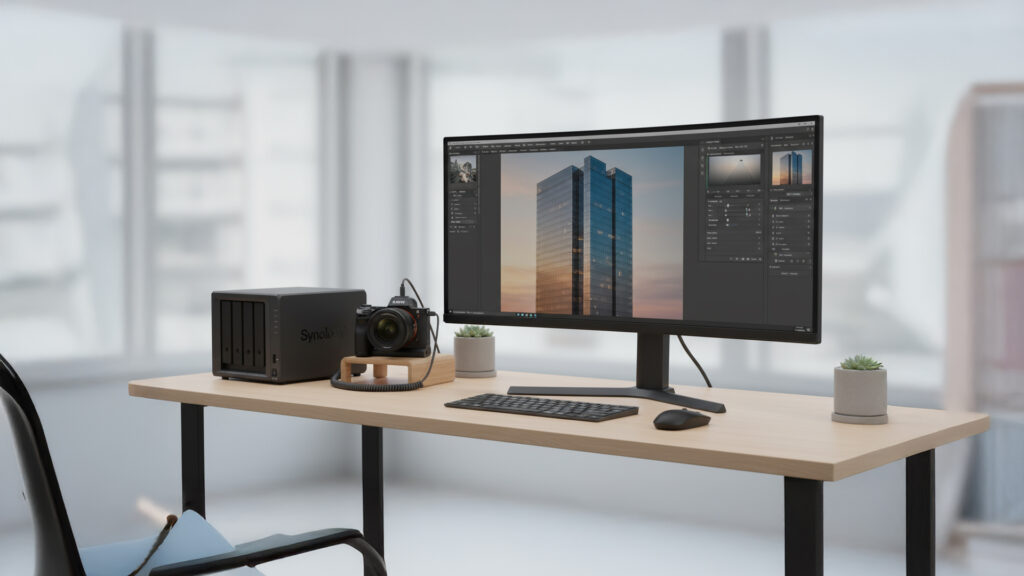
For editing fundamentals and accuracy, resources from B&H Photo Video provide solid guidance on architectural workflow and realism.
For a practical overview of maintaining realism and consistency when editing architecture, this architectural photography workflow breakdown from B&H is a solid reference.
Why Public Buildings Are a Long-Term Stock Asset
Public buildings change slowly. A courthouse photographed today may still be valid a decade from now. This makes them ideal for evergreen stock content.
Benefits:
- Timeless subject matter
- Broad commercial use cases
- Repeatable shooting opportunities across locations
- Seasonal variations multiply your portfolio value
If you photograph the same building in summer, fall, winter, and spring, you are effectively creating four assets from one subject.
Photographing public buildings for commercial use is far less risky than many photographers assume. In the United States, the building itself is rarely the problem. The details inside the frame are what matter. By controlling composition, timing, and distance, you can create images that are clean, flexible, and commercially valuable.
When you approach civic architecture with a buyer’s mindset instead of a tourist’s mindset, your success rate improves dramatically. Public buildings offer consistency, longevity, and real earning potential when photographed correctly.
If you want to build a strong, reliable stock portfolio, learning how to photograph public buildings for commercial use is a skill worth mastering.