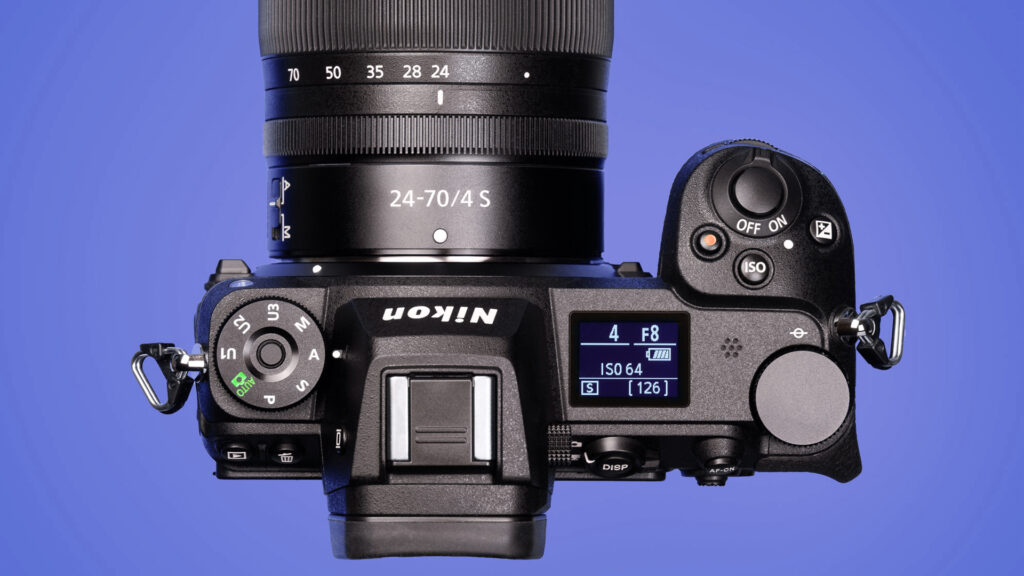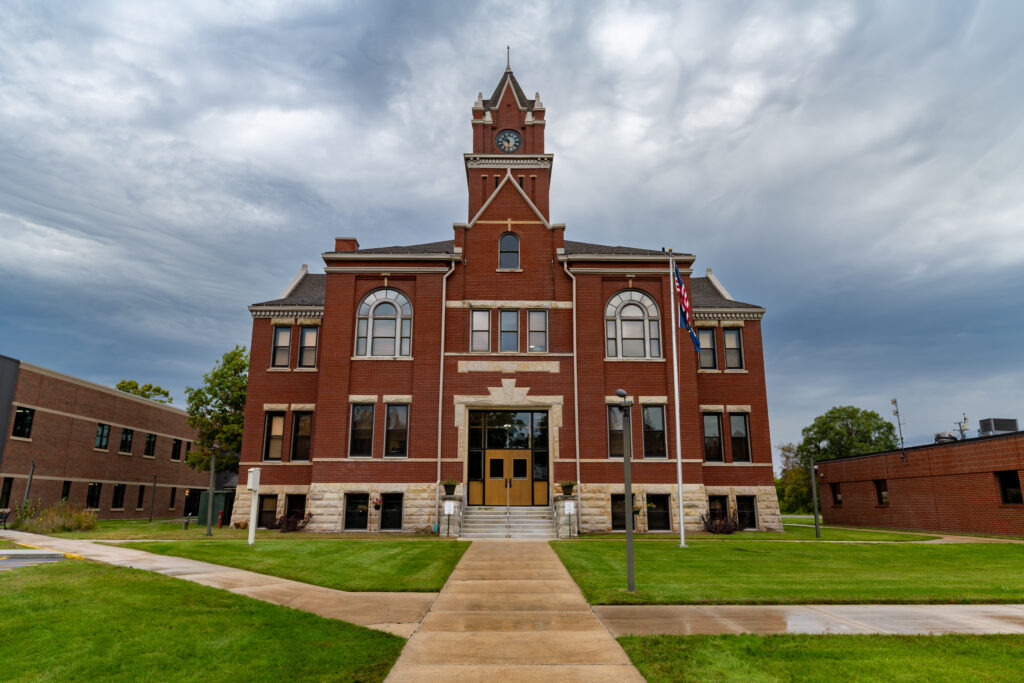
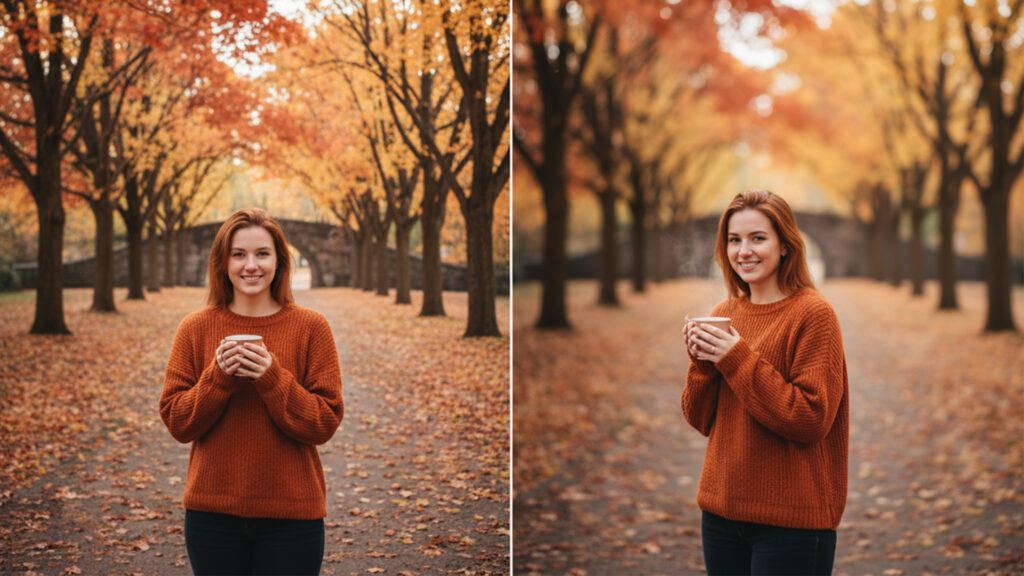
Aperture and depth of field are two of the most important concepts in photography. They control how much light enters your camera and how much of your image appears in focus. Mastering aperture gives you creative control — from beautifully blurred backgrounds to sharp landscapes.
What Is Aperture?
Aperture refers to the adjustable opening inside your lens that lets light reach the camera sensor. It’s measured in f-stops such as f/1.8, f/4, f/8, and f/16.
- A lower f-stop (like f/1.8) means a wider aperture that lets in more light.
- A higher f-stop (like f/16) means a narrower aperture, letting in less light.
Think of it like the pupil of your eye — it expands in low light and contracts in bright conditions.
How Aperture Affects Exposure
Aperture directly influences how bright or dark an image appears.
A wide aperture brightens the image, while a small aperture darkens it. You can balance this with shutter speed and ISO — the other two parts of the Exposure Triangle.
What Is Depth of Field?
Depth of field describes how much of your image appears sharp from front to back.
- Shallow depth of field = subject in focus, background blurred.
- Deep depth of field = most of the scene sharp and detailed.
Your aperture setting has a major impact on this.
How Aperture Controls Depth of Field
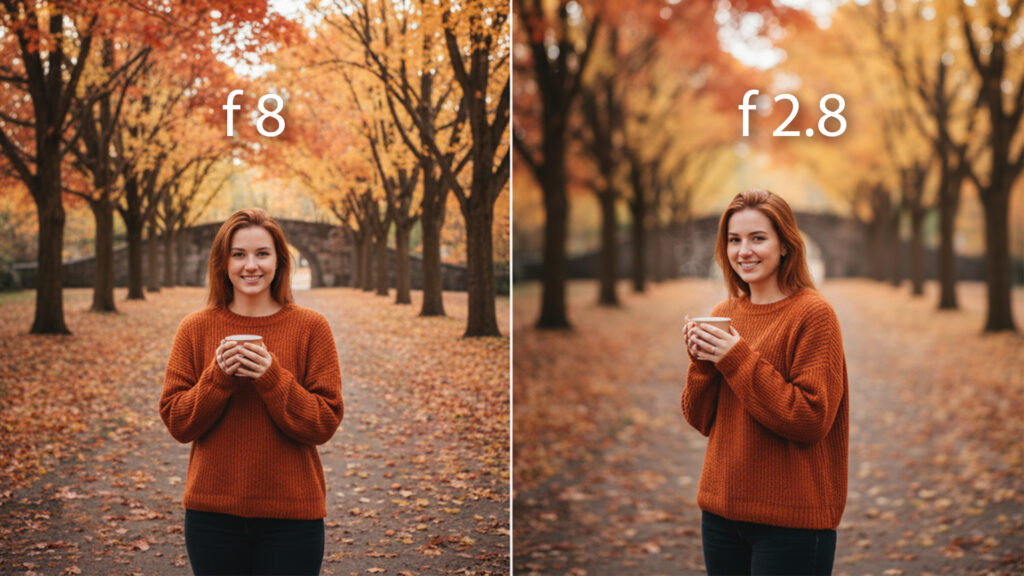
A wider aperture (like f/1.8 or f/2.8) creates that beautiful background blur, often called bokeh.
A smaller aperture (like f/11 or f/16) keeps most of the image in focus, which is ideal for landscapes or architecture.
| Aperture | Depth of Field | Common Uses |
|---|---|---|
| f/1.8–f/2.8 | Shallow | Portraits, product photos, macro photography |
| f/4–f/8 | Medium | Street and general photography |
| f/11–f/16 | Deep | Landscapes, architecture |
A wide aperture (f/1.8 or f/2.8) gives soft, blurred backgrounds — known as bokeh — while smaller apertures (f/11 or f/16) keep everything sharp.
Tips for Using Aperture Creatively
- Portraits: Use a wide aperture for smooth background blur.
- Landscapes: Use a smaller aperture for sharpness throughout.
- Group photos: Stick around f/5.6–f/8 so everyone stays in focus.
- Low light: Open your aperture wider before increasing ISO.
Aperture and Lens Choice
Lenses with larger maximum apertures (like a 50mm f/1.8) offer more creative control over depth of field. Zoom lenses often have variable apertures (f/4–5.6), which change as you zoom — perfectly normal for most lenses.
Putting It All Together
Use Aperture Priority mode (A or Av) to practice. Adjust your f-stop and notice how the depth of field changes with each shot.
Understanding aperture and depth of field helps you tell a story with focus — guiding the viewer’s eye exactly where you want it.
Conclusion
Aperture and depth of field aren’t just technical terms — they’re the foundation of creative photography.
Master them, and you’ll have full control over how your images look and feel.
Next up, we’ll dive into Mastering Shutter Speed and learn how to capture motion and freeze time.